

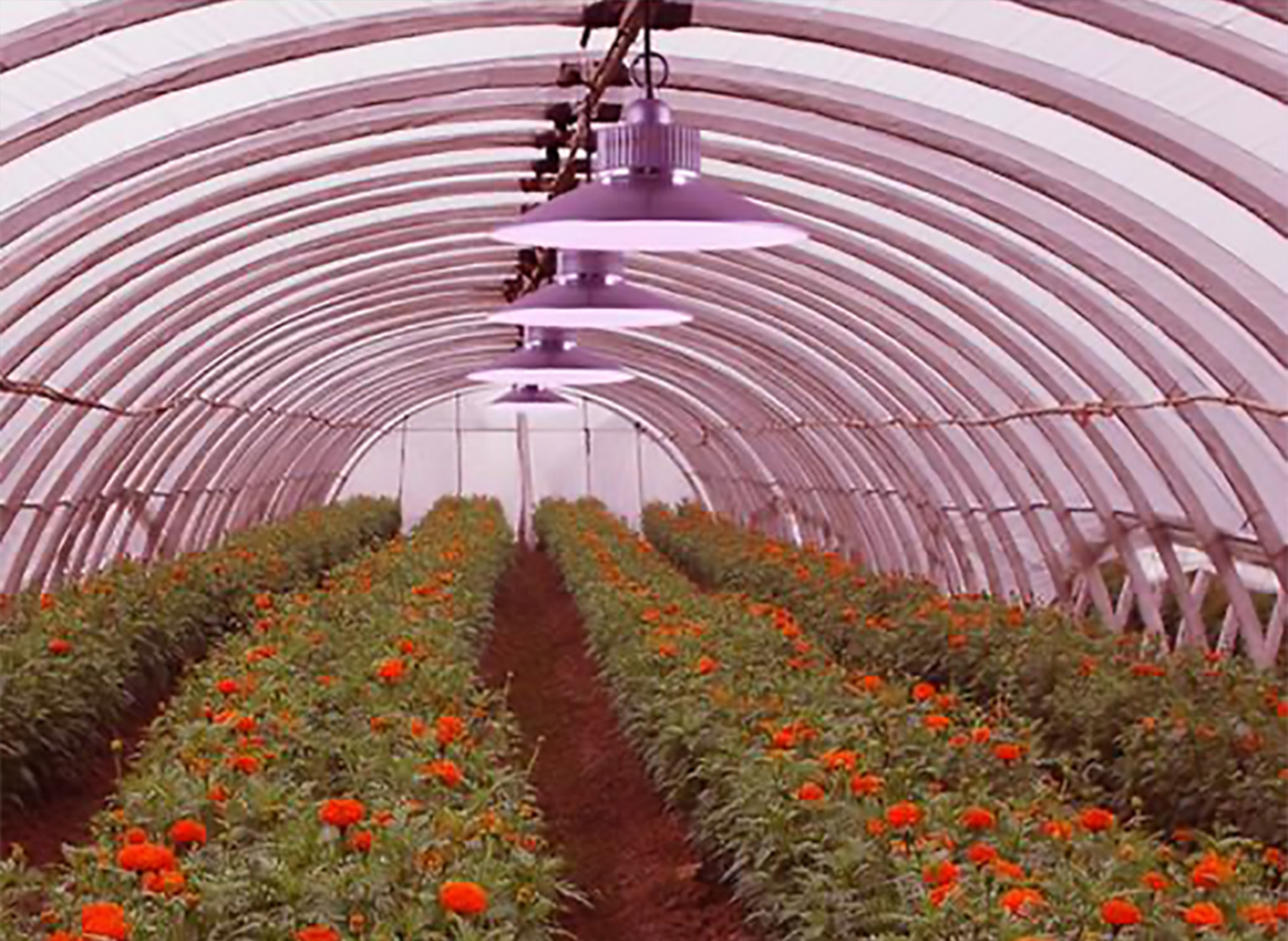
As a coral‑reef island nation, Nauru has suffered severe damage to its native soil caused by early‑year phosphate mining, making traditional agriculture barely viable. More than 90 percent of its fresh vegetables rely entirely on imports, resulting in high prices and unstable supply. Difficulties in accessing fresh vegetables have long troubled local residents.
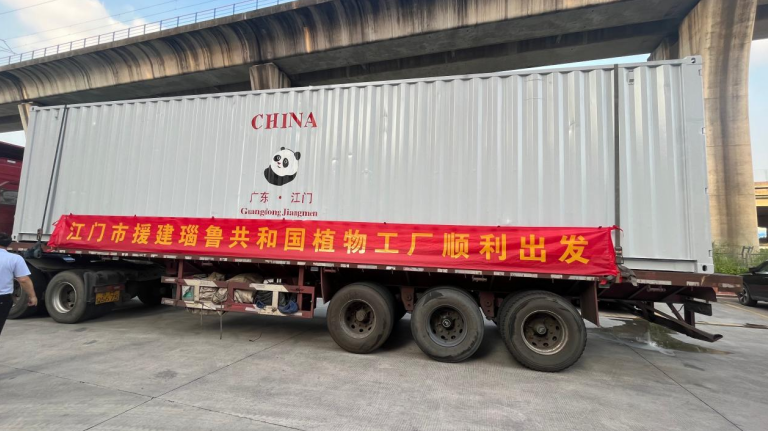
The container‑based plant factory, sponsored by Jiangmen City and constructed by Guangdong Auma Agricultural Technology, has traveled across the ocean to land in Nauru. It brings a complete set of Chinese soilless‑cultivation plant‑factory technologies to this South Pacific island.
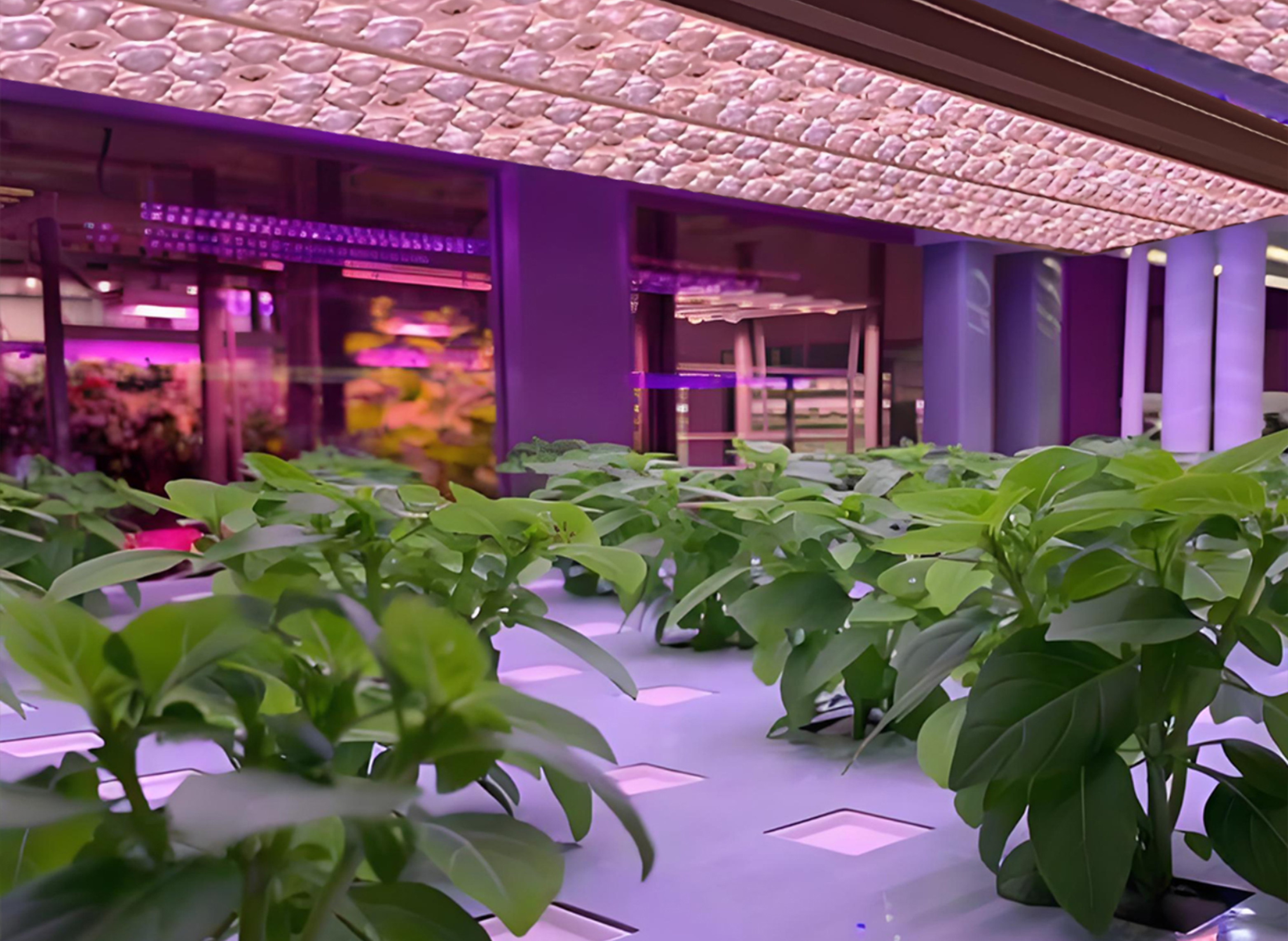
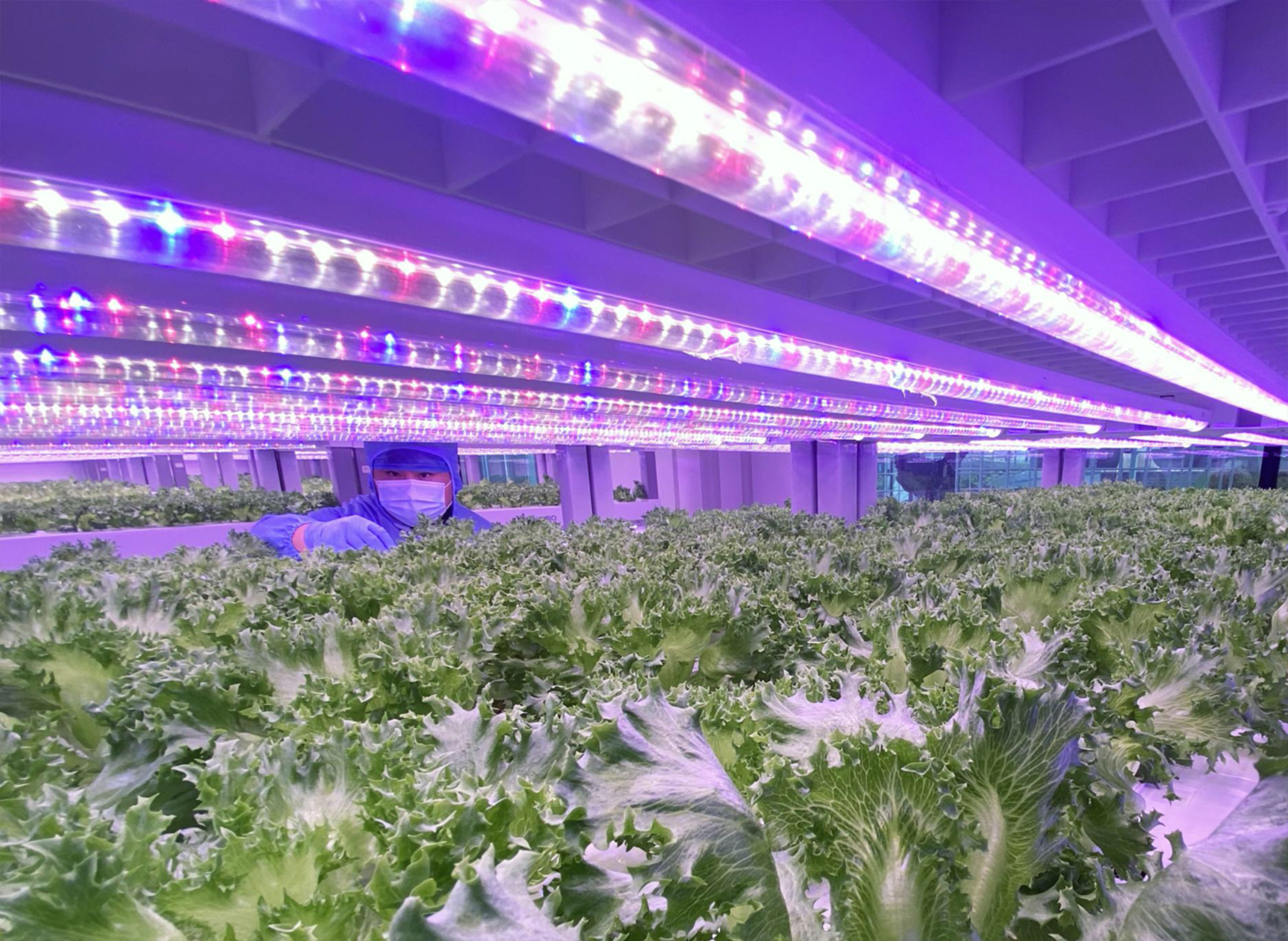
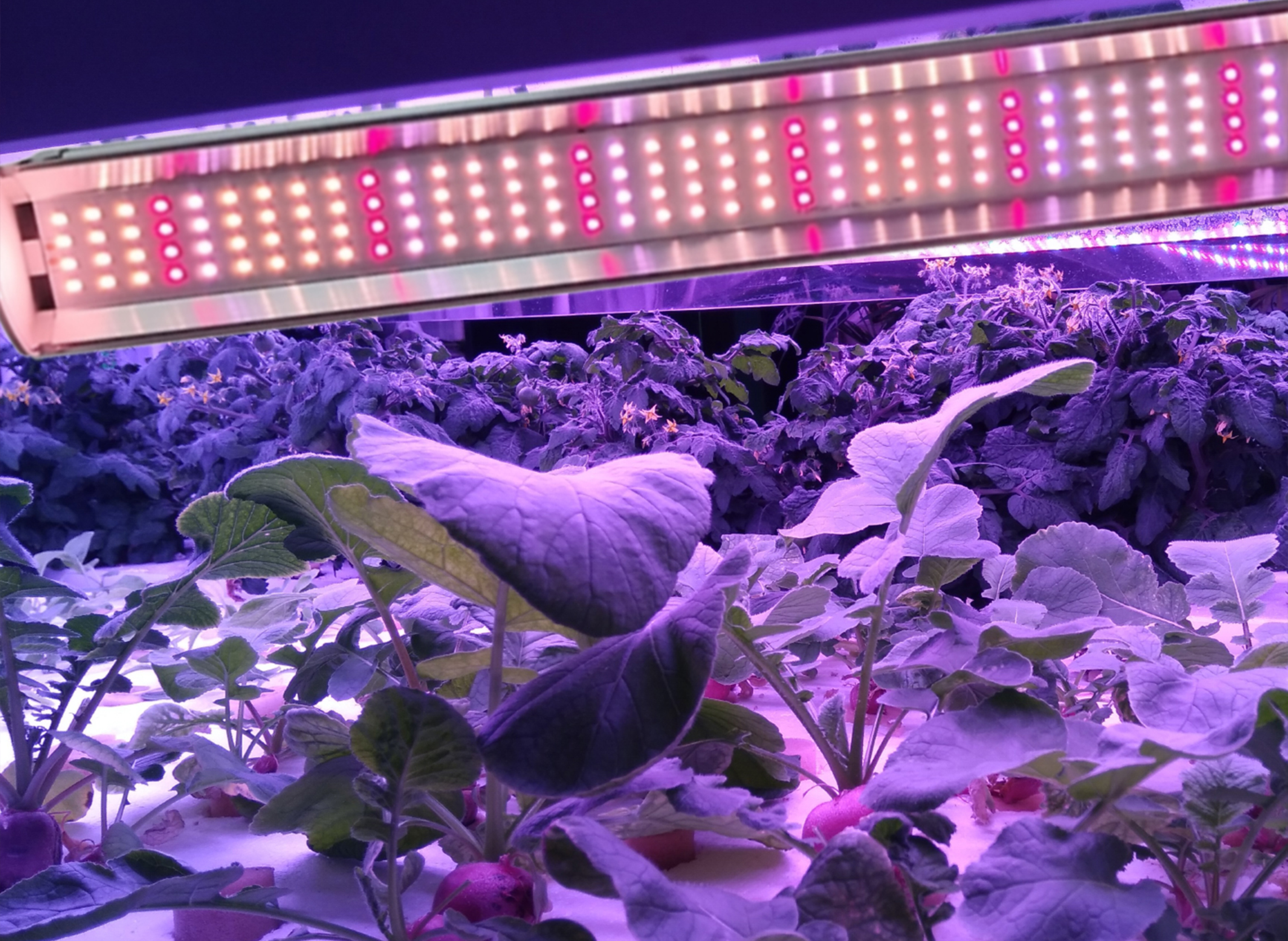
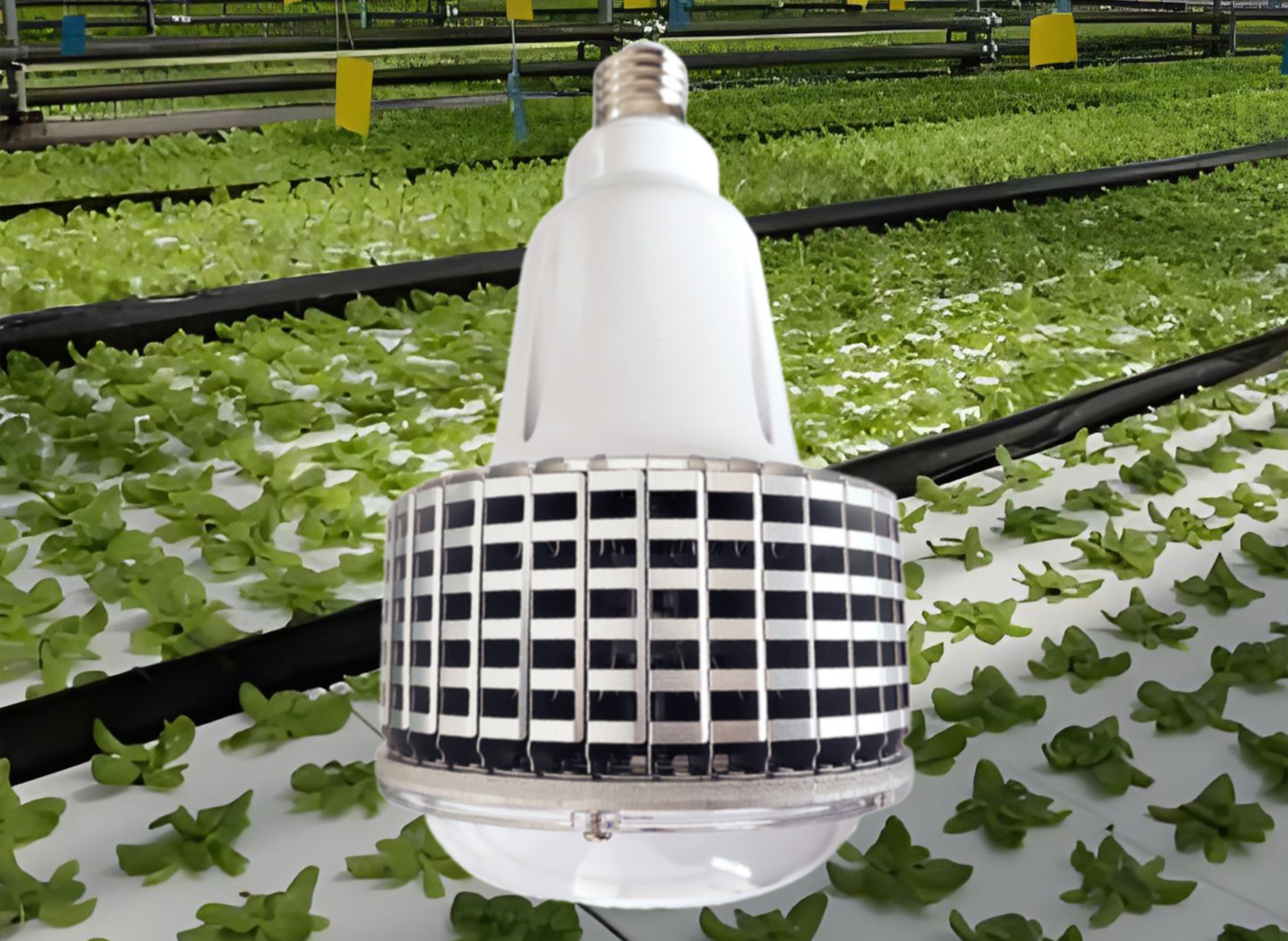
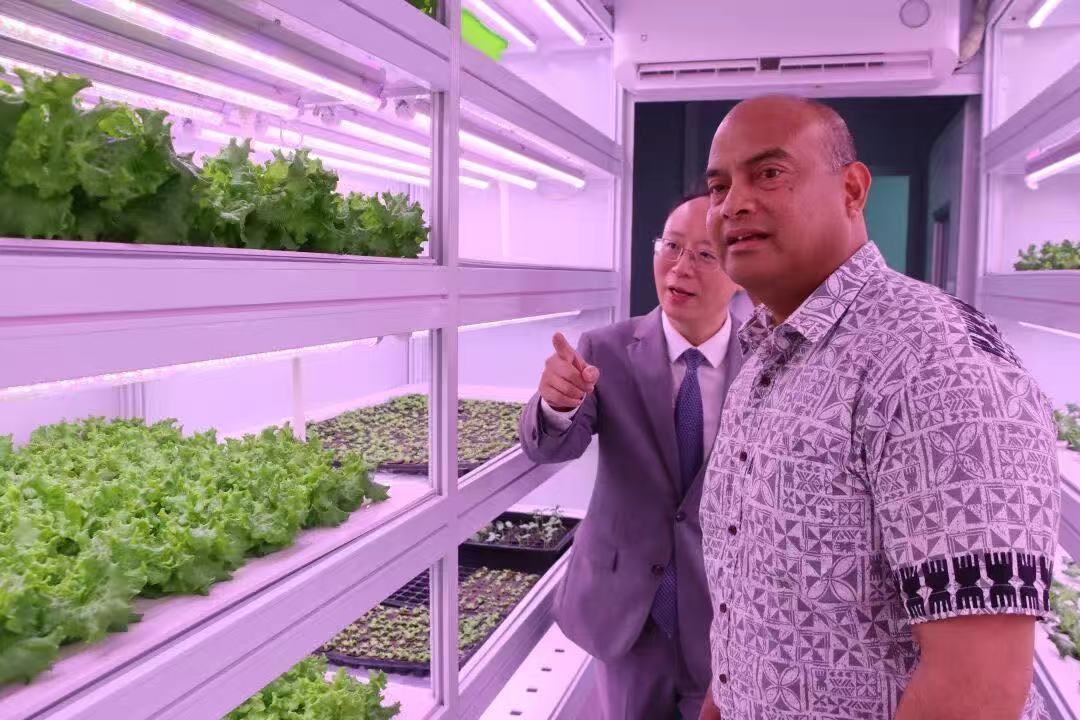
This container‑type plant factory represents a smart‑agriculture solution tailor‑made for Nauru. Built upon standard shipping containers, it houses multi‑layer vertical cultivation racks and is equipped with full‑spectrum LED supplementary lighting systems, constant‑temperature‑and‑humidity control modules, and a closed‑loop nutrient‑solution circulation system. It is completely freed from the constraints of soil and harsh weather conditions.
Even amid the local high‑temperature and rainy climate, the container maintains favorable growing conditions for vegetables. Leveraging self‑developed soilless‑cultivation nutrient solution and recycled water resources, it produces leafy greens steadily without pesticide application. Harvested vegetables reach local residents in just over one hour, enabling Nauruans to enjoy fresh home‑grown produce.
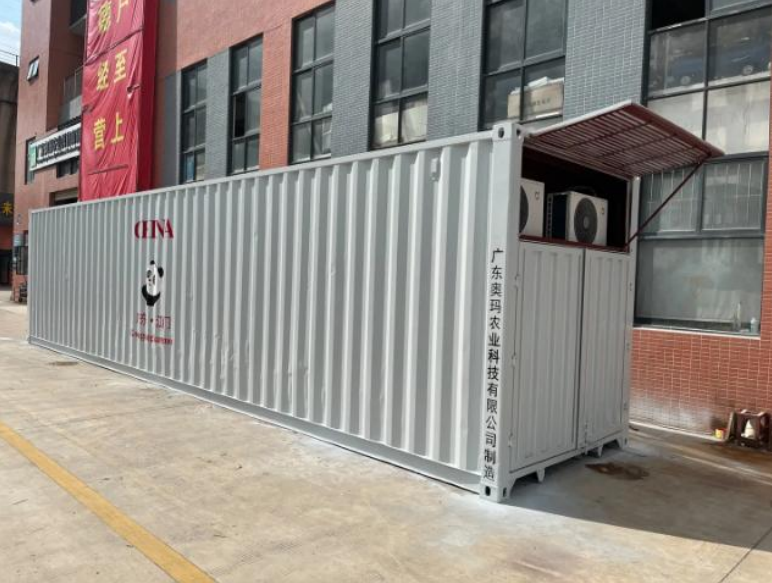
From production to shipment, the whole project took just over 20 days. Guangdong Auma Agricultural Technology completed equipment reinforcement, multiple rounds of testing and pre‑commissioning. Multilingual operation manuals and spare parts were provided, while local technicians received training to realize independent local operation and maintenance of the facility.
President of Nauru, Lionel Aingimea, paid an on‑site visit and harvested vegetables himself. He praised the plant factory as a fruit of China‑Nauru friendship.
Behind this diplomatic stance lie tangible gains for people’s livelihoods. This compact container‑based plant factory stands as a testament to the equal and pragmatic cooperation between China and island nations. Instead of coercion through geopolitical games, China addresses people’s most pressing livelihood challenges with technology — and this embodies the most precious core of China’s foreign cooperation and assistance.