

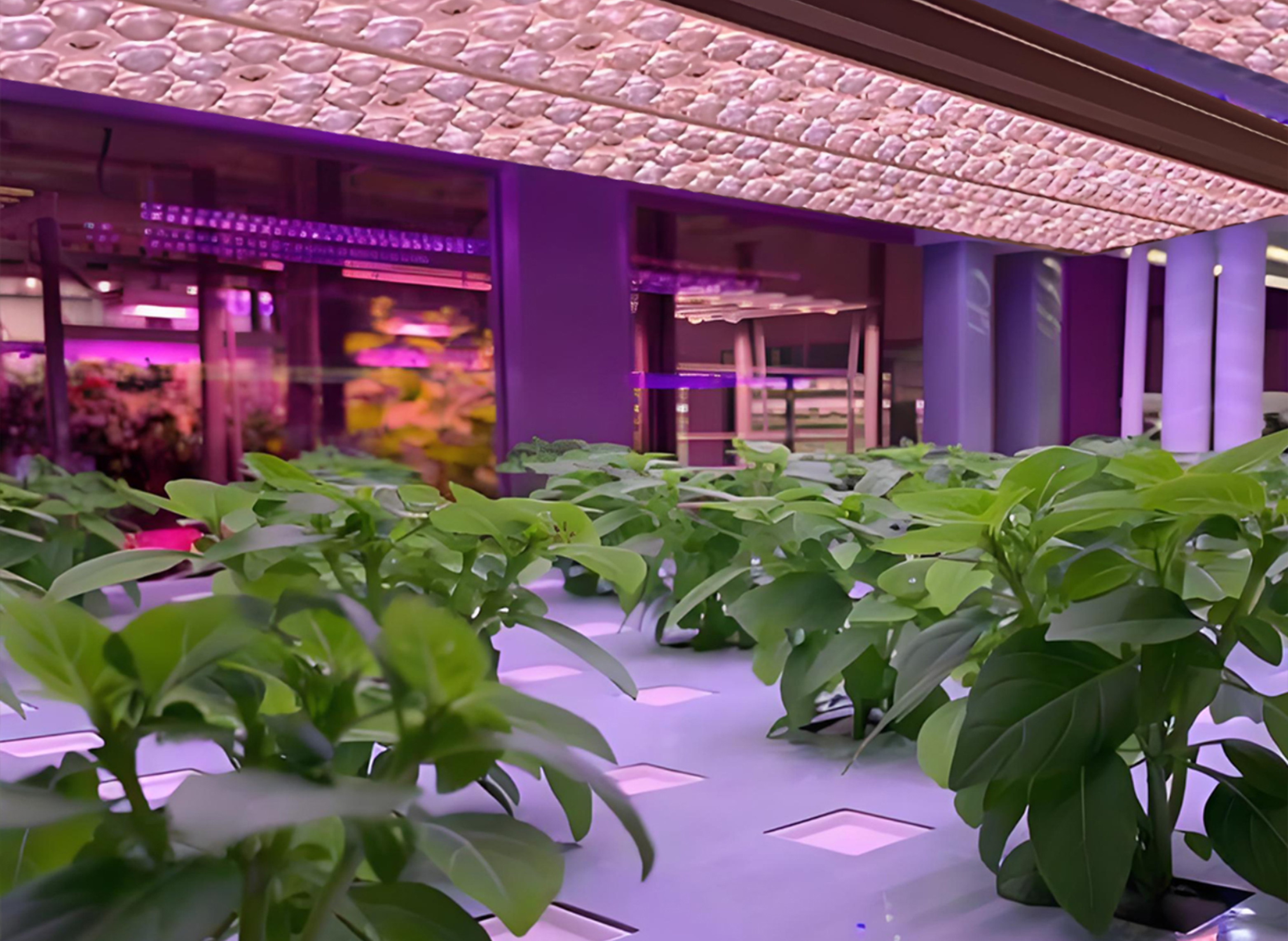
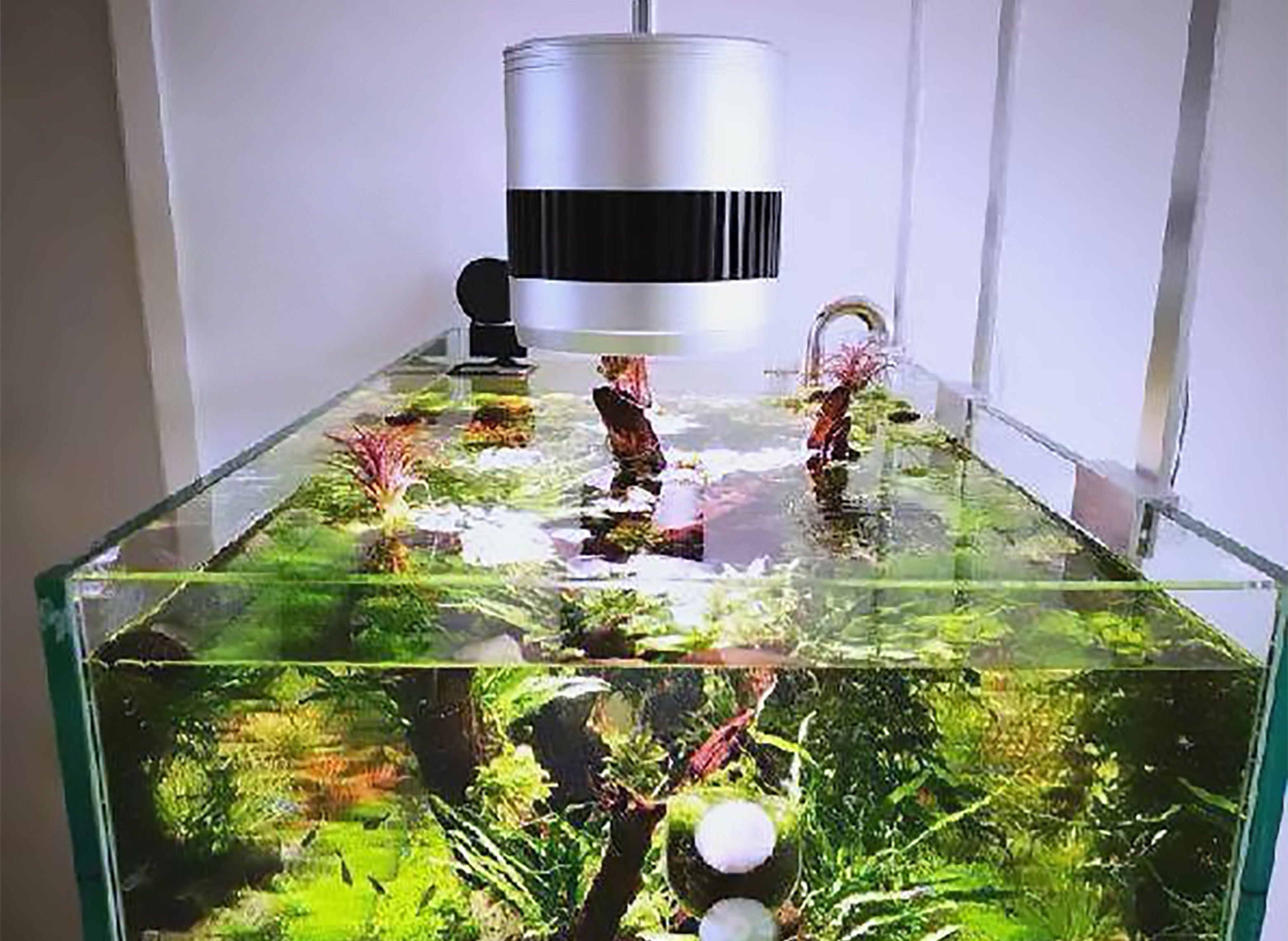
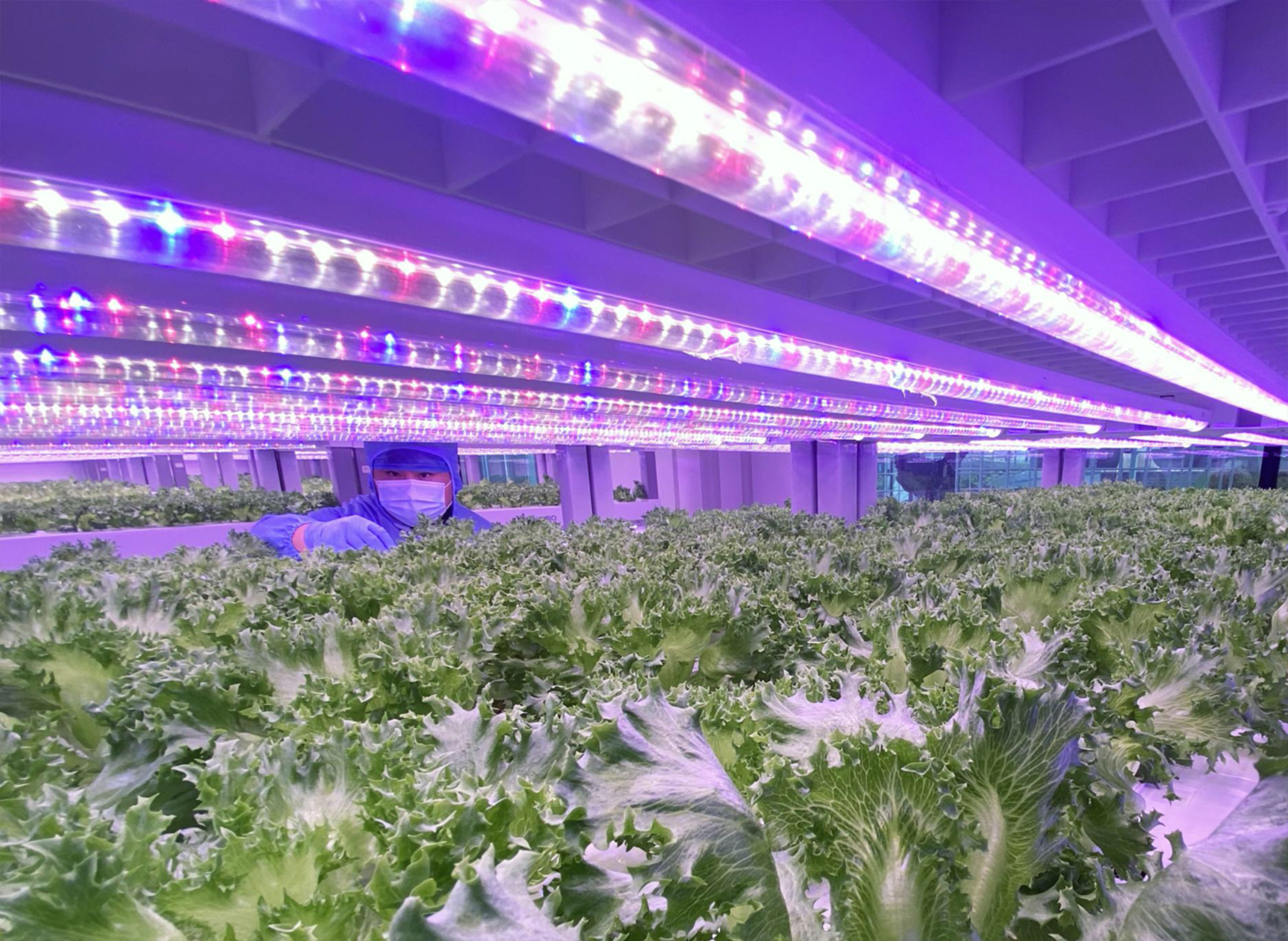
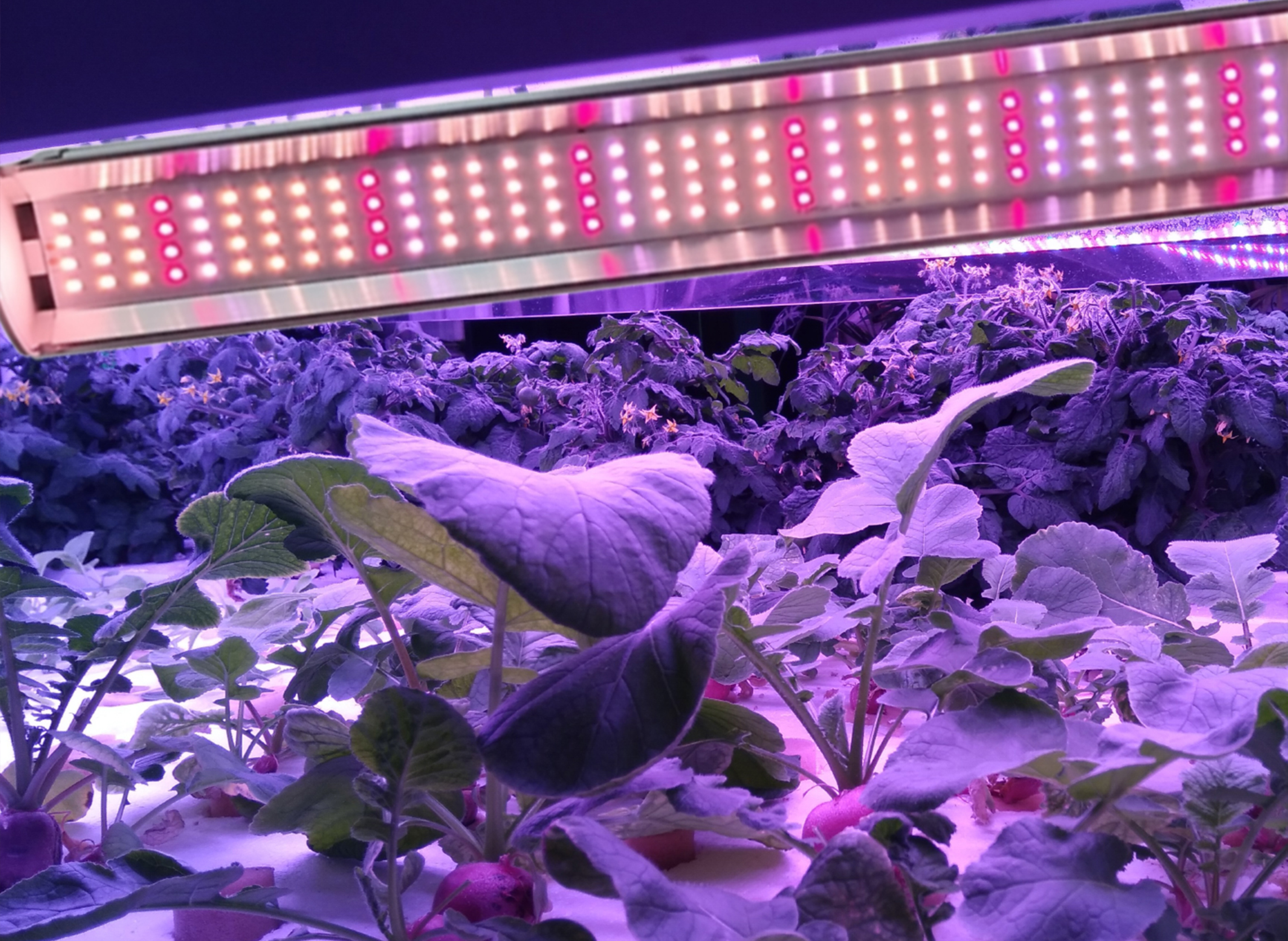
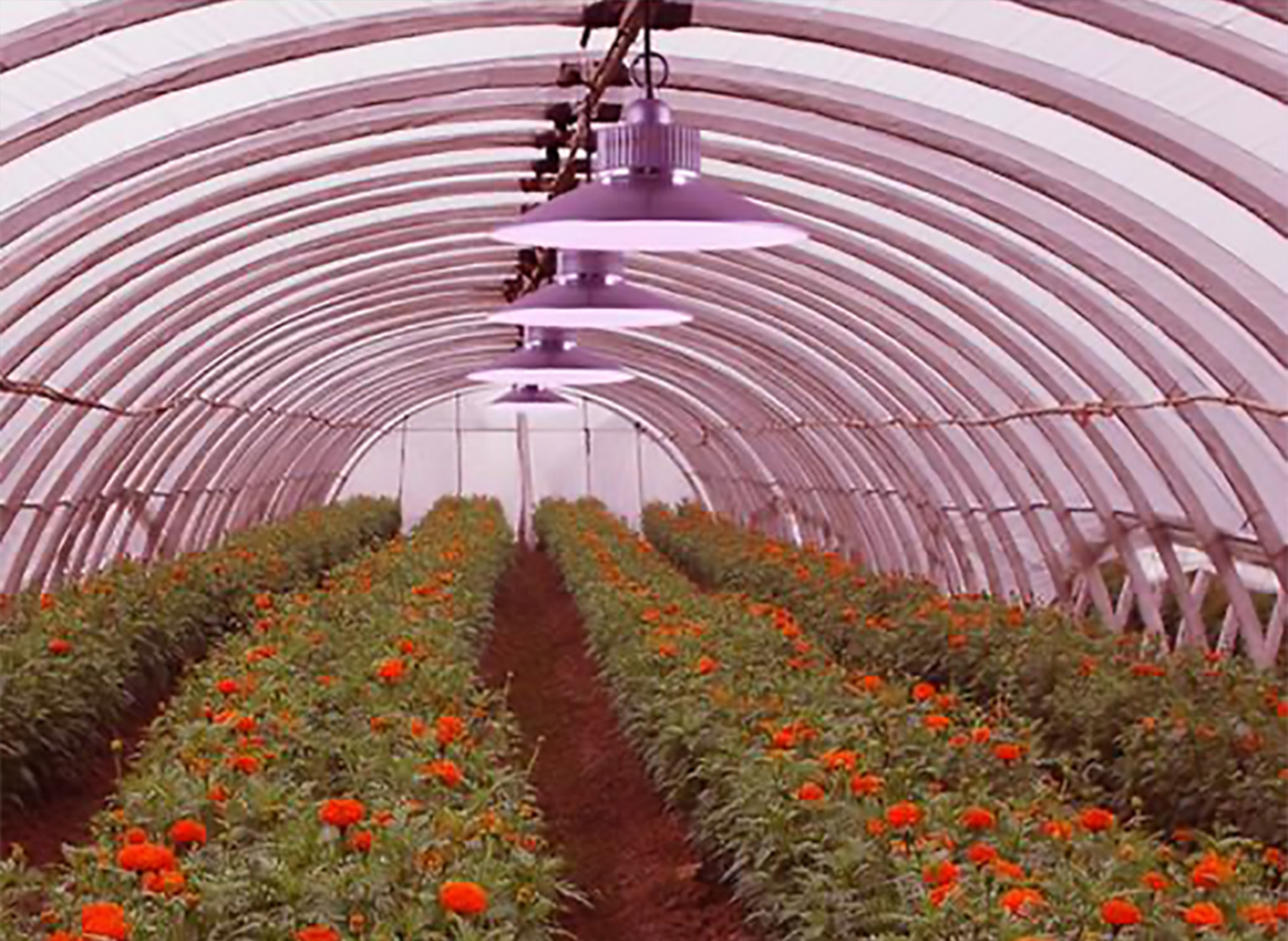
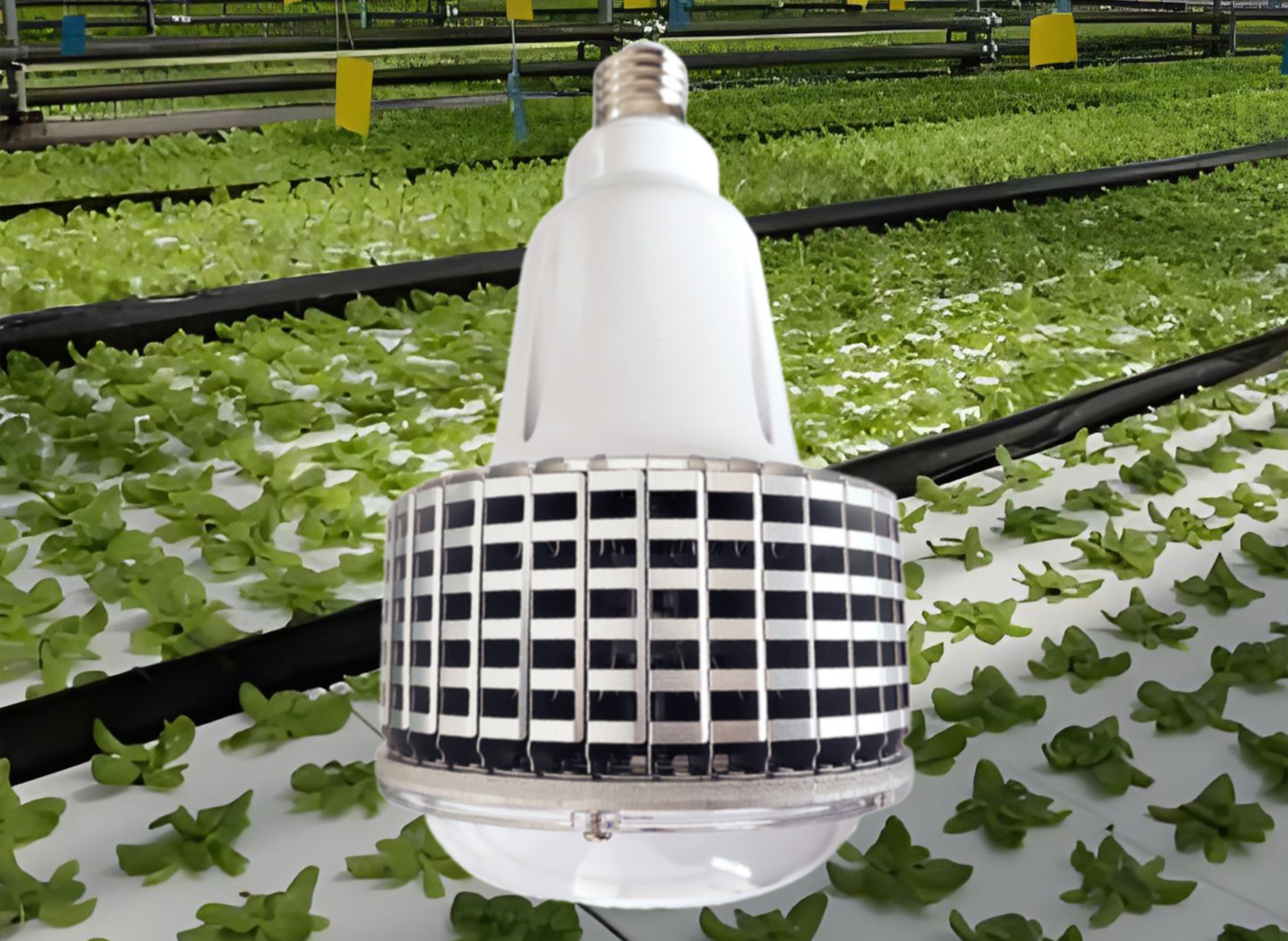
Since the start of this year, benchmark projects in multiple regions have been put into operation one after another. In Northwest China, the region’s largest single‑unit plant factory has been completed. Focusing on high‑quality leafy vegetables and adopting a fully‑enclosed unmanned operation mode, it delivers far higher yield per unit area than conventional farmland. Multiple harvests can be achieved throughout the year, effectively making up for agricultural shortcomings in arid areas.
Southwest China focuses on cultivating high‑value‑added crops. Leveraging the sterile, constant‑temperature and constant‑humidity environment of plant factories, it greatly shortens the seedling‑raising cycle of precious Chinese medicinal herbs and markedly improves seedling survival rates, boosting the development of specialized seed industries.
East China concentrates on mass production of fruits and vegetables by building large‑scale intelligent strawberry factories. Breaking seasonal restrictions, they enable non‑stop supply all year round and fill gaps in the market.
In addition, small‑sized plant factories renovated from idle rural houses are quietly gaining popularity in villages. A space of around 20 square meters can yield hundreds of thousands of seedlings annually, emerging as a new approach to revitalize idle rural resources and develop characteristic industries.
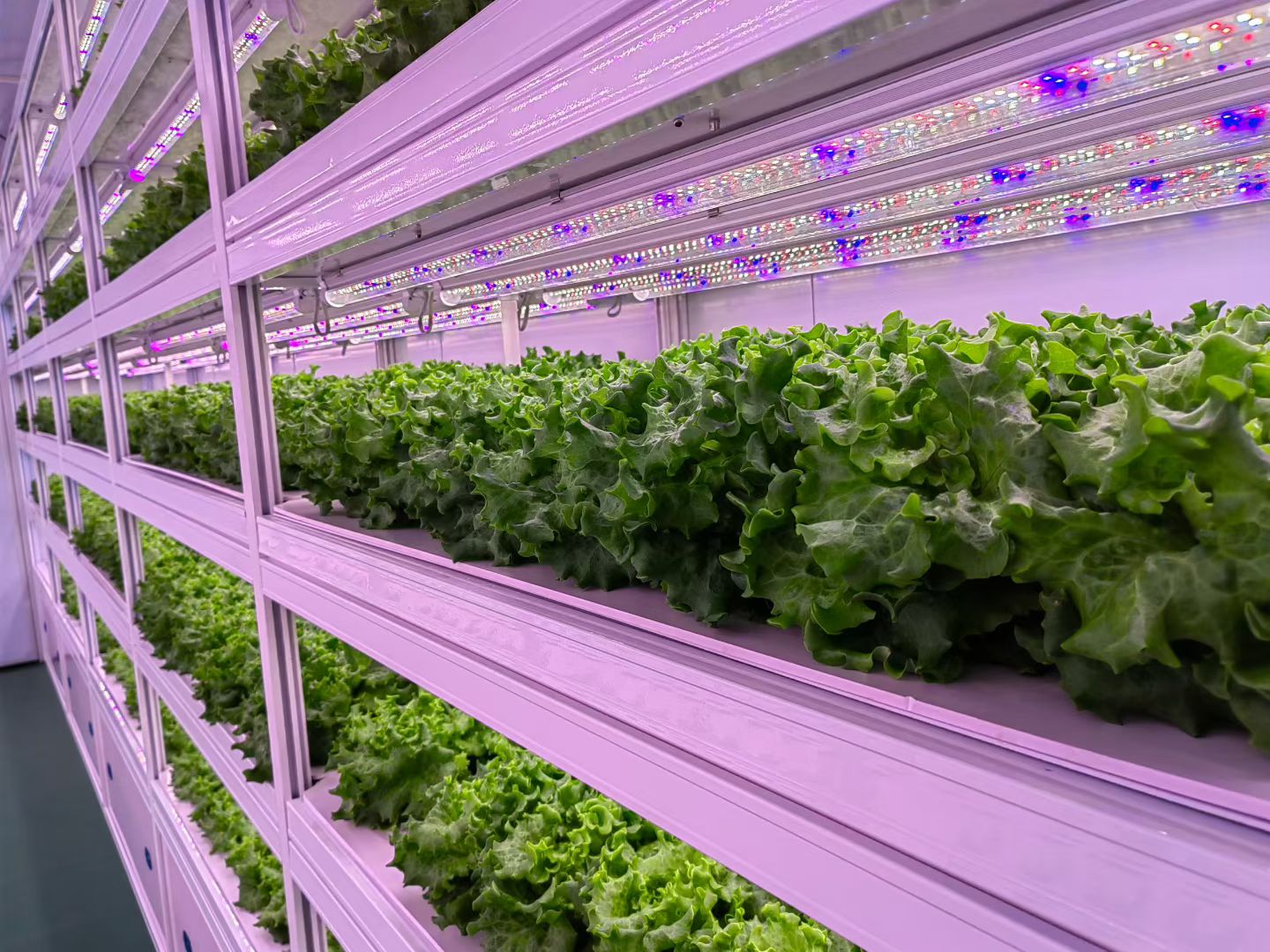
Diverse scenarios have given rise to differentiated product demands and driven segmented development of the industry. Production‑oriented plant factories focus on high‑efficiency mass production, cutting labor costs through multi‑layer vertical cultivation and fully‑automatic assembly lines. Research‑and‑popular‑science‑oriented plant factories emphasize visual demonstration, serving as practical platforms for labor education and biology teaching in primary and secondary schools as well as universities. Thanks to their mobility and easy deployment, container‑type plant factories are suitable for special scenarios such as ocean‑going operations, polar scientific expeditions and field camps, addressing the challenge of food supply in extreme environments.
Guangdong AOMA Agricultural Technology Co., Ltd. is deeply involved in the construction of various scenarios with its full‑range product portfolio. The enterprise provides customized solutions according to site scale and application requirements. Its supporting new‑type growing substrates feature air permeability, water retention and durability, compatible with multiple modes including hydroponics and substrate cultivation, so as to guarantee the stable operation of all types of plant factories. Over the years, its cooperative projects cover a wide range of entities such as scientific research institutions, colleges and universities, campus bases and ecological parks, with abundant practical implementation cases.
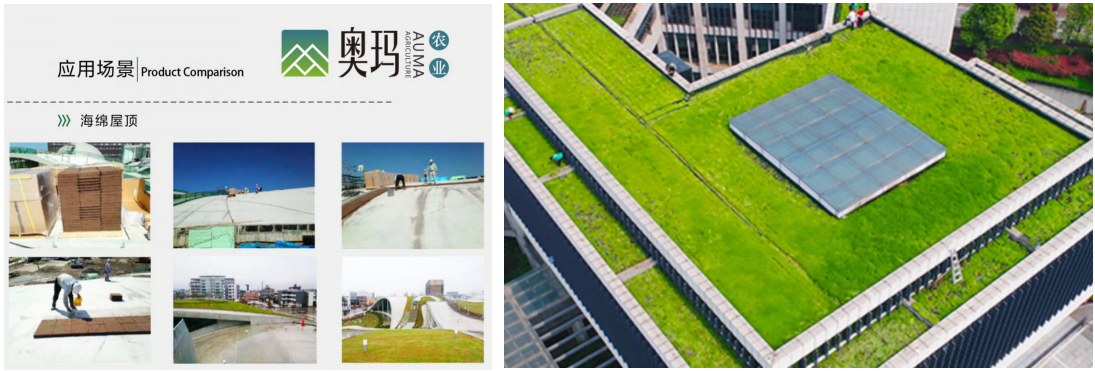
Industry insiders hold the view that scenario diversification represents an inevitable trend for the development of plant factories. Driven by consumption upgrading, market demand for safe, fresh and characteristic agricultural products keeps rising. Supported by policies including rural revitalization and urban agriculture, various segmented tracks still boast enormous development potential. In the future, customized technologies and lightweight equipment tailored for different scenarios will become the mainstream of research and development, further integrating plant factories into production, daily life, scientific research and other fields.